Solar Permit Design Services: What They Include & How to Choose a Provider
What solar permit design services include, what a permit package contains and how to choose a provider based on accuracy, AHJ experience, revisions and total cost.
Insights
Every solar job needs drawings the local building department will accept. Someone has to produce the site plan, electrical diagram, structural details and labels. Then all of it has to match the rules of the AHJ (authority having jurisdiction) reviewing the project. Across several counties or states that work adds up, and every correction notice pushes the install date back.
Solar permit design services take that drafting and documentation work off your team. Providers differ a lot in what they deliver, how they handle corrections and how well they know your jurisdictions. This guide covers what the work includes and how to compare providers before you send them volume.
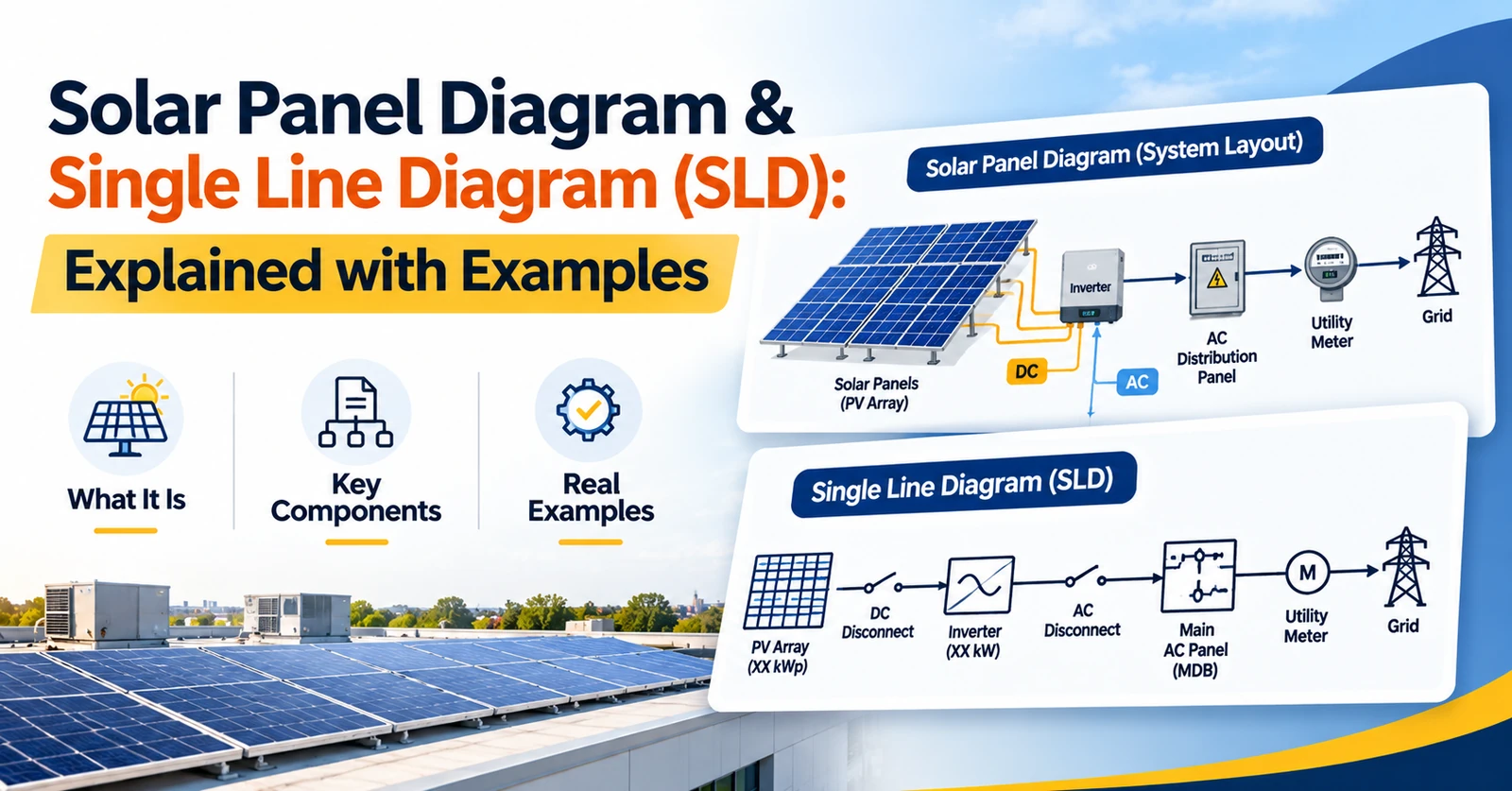
Solar permit design services prepare the drawings and documents an AHJ needs to review a solar project. That typically means a site plan, roof layout, single-line or three-line diagram, equipment data sheets, structural documentation and required labels. Some providers also handle PE stamps, permit submission and correction responses. Compare providers on package accuracy, experience with your AHJs, state coverage, revision terms and the full scope behind the quoted price.
At minimum, the service turns your site survey data and equipment choices into a permit-ready drawing set. Beyond that, scope varies:
When you compare quotes, keep four stages separate:
Ask which of these stages the price covers.
A solar permit package is the full submission the AHJ reviews. Requirements change with the jurisdiction, the code edition it has adopted and the project type. Treat this list as a typical starting point (our solar permit package guide goes deeper):
Battery storage, ground mounts and commercial systems usually add documents (see battery plan sets and commercial solar support). Many AHJs publish their own submittal checklists, and some require items others skip. Pull the checklists for your busiest jurisdictions and check a provider's sample package against them. The residential solar plan set guide shows what a typical set looks like.
Want to see how WattMonk prepares permit packages?
Price per plan set is easy to compare. The factors below are harder to see on a quote, and they decide whether outsourcing actually saves you time.
| Criterion | Ask the provider | Red flag |
|---|---|---|
| Accuracy | How is each package checked? | No defined QC step |
| AHJ experience | What do my top AHJs flag? | Generic answers |
| Coverage | Which states and AHJs do you support today? | Claims with no examples |
| Revisions | Are AHJ corrections included? | Every revision billed |
| Pricing | What does this price exclude? | Add-ons after ordering |
| Automation | What does an engineer review? | AI framed as replacing review |
| Factor | In-house | Outsourced |
|---|---|---|
| Staffing | Salaries, training, software licenses | Per-project cost, no hiring |
| Workload swings | Idle in slow months, backlogs in busy ones | Scales with volume, within provider capacity |
| Control | Direct oversight | Depends on provider process |
| New jurisdictions | Team learns each AHJ | Provider may already know them |
| Cost | Fixed overhead, often cheaper at steady high volume | Variable, can cost more per project at scale |
Many installers run a hybrid. Core-market design stays in-house, while overflow, new states or specialty work such as batteries and commercial projects goes out. For a deeper comparison, read outsourced vs. in-house PV engineering design. The right mix depends on three things:
WattMonk helps solar installers prepare permit packages without having to manage all the drafting and documentation in-house.
WattMonk's AI-assisted quality checks help review drawings against AHJ and utility requirements, with engineers validating the output. WattMonk has completed 30K+ permitting projects and lists coverage across all 50 US states. Turnaround time depends on the project, so installers should confirm the expected timeline for their specific requirements before getting started.
For ways to shorten approvals on your side, see our guide to accelerated permit approval.
If you're considering outsourcing permit design, see whether WattMonk fits your team's workload and project needs.
They produce the drawings and documents an AHJ needs to review a solar project: a site plan, roof plan, electrical diagrams, data sheets, structural documentation and labels. Depending on the provider, they may also include PE stamps, submission and revisions.
Usually a permit application, site plan, roof plan, single-line or three-line diagram, equipment data sheets, structural documentation and label details. Exact requirements depend on the AHJ, its adopted codes and the system type.
Compare package accuracy, experience in your AHJs, state coverage, revision terms, communication and total cost per approved permit. Then test the provider on a few real projects before you commit volume.
It depends on volume and staffing. Outsourcing turns design into a per-project cost and helps with overflow or new markets. Steady, high-volume, single-market installers may find in-house teams cheaper.
Yes, many do. Still, verify experience in your specific AHJs and confirm PE stamp availability in each state you work in.
Explore Related Insights
From solar plan sets and PE stamping to AI-powered design tools and permitting insights — explore pieces written for solar professionals navigating the technical and technology side of the solar industry.
© 2026
Services
Contact Details