Electricity costs are becoming one of the most volatile operating expenses for businesses. Warehouses, factories, office complexes, and retail facilities depend heavily on reliable power, yet utility prices continue to rise. As a result, many companies are exploring commercial solar panel installation to stabilize long-term energy costs and reduce reliance on the grid.
Across industries, commercial solar installation is expanding as businesses look for cleaner and more predictable power sources. A properly designed commercial solar system allows companies to generate electricity on-site and offset daily energy consumption.
From large industrial solar panel installation projects to commercial rooftop solar installations, solar is becoming a practical infrastructure upgrade. If you understand commercial solar panel installation, it helps evaluate whether a solar panel for business strategy fits the energy goals.
How Commercial Solar Panel Installation System Works?
Commercial solar panel installation systems generate electricity by capturing sunlight and converting it into power that businesses can use for daily operations. Solar panels installed on rooftops or ground-mounted structures absorb sunlight and produce direct current (DC) electricity.
This electricity flows through inverters, which convert the DC power into alternating current (AC). AC electricity is the standard form of power used by most commercial equipment, lighting systems, and building infrastructure. Once converted, the electricity moves through the facility’s electrical panel and supplies energy to the building.
A typical commercial solar installation is designed based on the facility’s energy demand, available installation space, and electrical infrastructure. Engineers evaluate roof size, structural capacity, and daily electricity usage to determine the appropriate scale of the commercial solar system.
Compared with residential systems, commercial solar panel installations often involve larger panel arrays and more complex electrical integration. Facilities such as warehouses, office buildings, and manufacturing plants require systems capable of producing significant daytime electricity to support operational needs.
Types of Commercial Solar Systems Businesses Install
Not every commercial solar panel installation follows the same structure. The design and layout of a commercial solar system depend on the building type, available space, and the business’s energy demand.
Commercial Rooftop Solar Installations
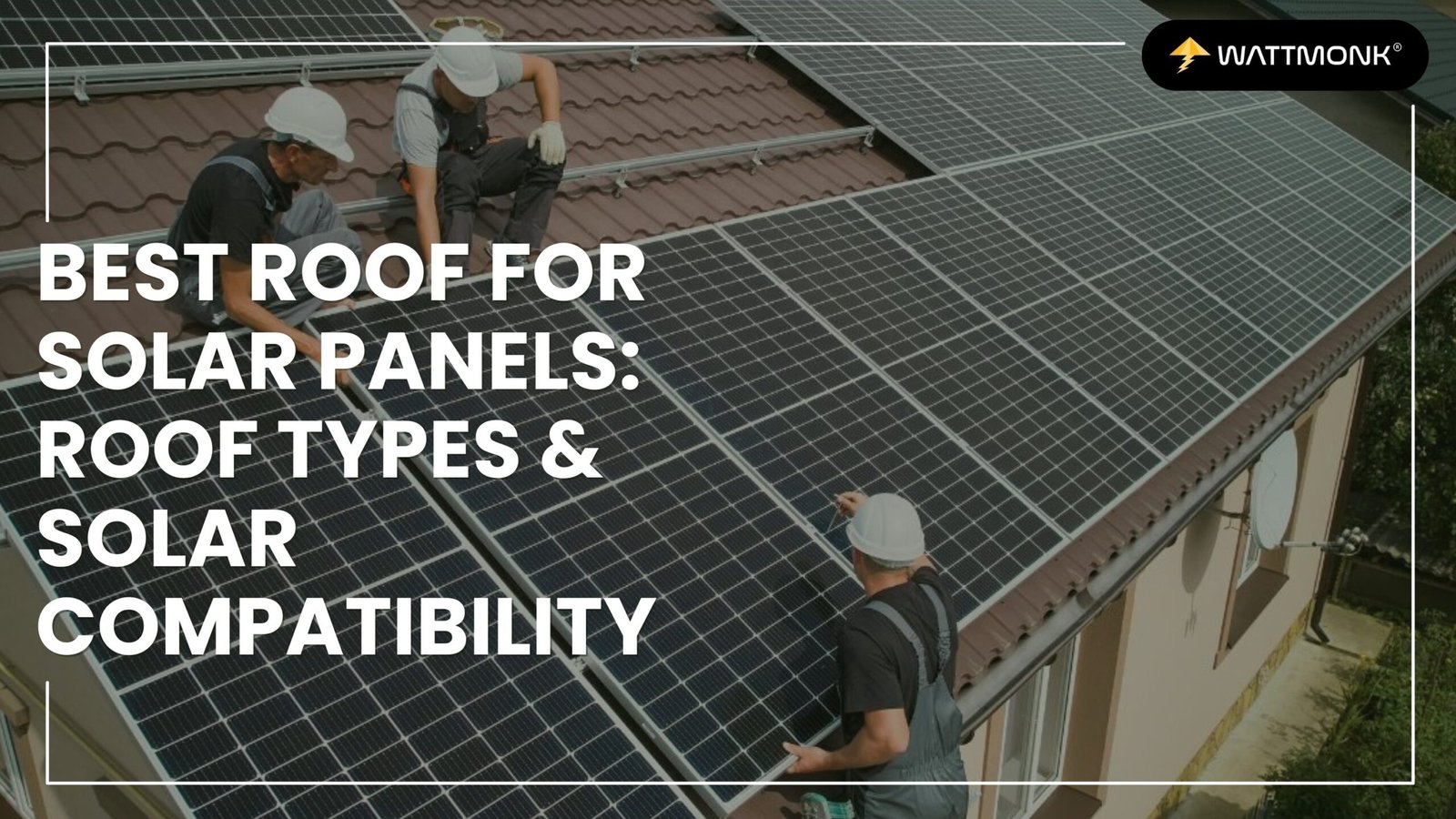
Commercial rooftop solar installations are the most widely used option for businesses. Office buildings, warehouses, retail centers, and schools often have large roof areas that can support a solar PV system installation without requiring additional land.
These systems allow companies to convert unused roof space into a productive energy asset. A rooftop commercial solar system can generate a substantial portion of a building’s daytime electricity demand, making it a common choice for businesses aiming to stabilize operational energy costs.
Ground-Mounted Commercial Solar Systems
When roof space is limited or unsuitable, businesses may opt for a ground-based commercial solar installation. This approach is common for facilities with open land, such as manufacturing plants, logistics hubs, or agricultural businesses.
Ground-mounted systems provide greater flexibility in orientation and spacing, which can improve performance. In some cases, these installations support larger industrial solar panel installation projects designed to power high-consumption operations.
Industrial Solar Panel Installation for Large Facilities
Factories, distribution centers, and heavy manufacturing sites often require larger energy systems. An industrial solar panel installation is designed to support these high-load environments where electricity demand remains consistent throughout the day.
These projects typically involve a large-scale solar PV system installation integrated directly with the facility’s electrical infrastructure. For energy-intensive operations, installing a solar panel for business operations can significantly reduce reliance on grid electricity while improving long-term cost predictability.
Key Components in a Commercial Solar PV System Installation
A successful commercial solar panel installation depends on several interconnected components that work together to generate, convert, and distribute electricity within a facility. Each element of a solar PV system installation is designed to support reliable performance while meeting the energy requirements of a commercial solar system.
Solar Panels
Solar panels are the primary energy-generating component in any commercial solar installation. They capture sunlight and convert it into direct current (DC) electricity. For a solar panel for business setup, installers typically deploy high-efficiency modules capable of supporting the larger energy demands of commercial buildings.
Inverters
Inverters convert the DC electricity produced by panels into alternating current (AC), which powers most commercial equipment. In large commercial solar panel installation projects, multiple inverters are often used to manage energy flow across different sections of the commercial solar system.
Mounting Structures
Mounting systems secure solar panels to rooftops or ground structures. In commercial rooftop solar installations, racking systems must support panel weight while withstanding wind loads and environmental conditions.
Electrical Infrastructure
Wiring, combiner boxes, disconnect switches, and protection devices allow electricity generated during a solar PV system installation to safely integrate with the building’s electrical system.
Monitoring Systems
Modern commercial solar installation projects often include monitoring software that tracks system performance. These tools allow businesses to monitor power generation, detect faults, and optimize the output of their commercial solar system over time.
Step-by-Step Commercial Solar Panel Installation Process
A commercial solar panel installation follows a structured process to ensure the system is designed correctly, installed safely, and integrated with the building’s electrical infrastructure. Each stage of a commercial solar installation focuses on aligning the system with the facility’s energy demand and operational requirements.
Energy Assessment and Site Evaluation
The process begins with analyzing the facility’s electricity consumption. Installers review utility bills, peak usage patterns, and operational schedules to determine the size of the commercial solar system required. During this stage, engineers also inspect the roof or land area where the solar PV system installation will take place.
System Design and Engineering
Once the energy requirements are defined, engineers design the commercial solar installation. This includes determining panel layout, inverter capacity, and electrical configuration. The design ensures the commercial solar system produces enough electricity to support business operations while complying with structural and electrical standards.
Permitting and Regulatory Approvals
Before construction begins, the project must secure local permits and regulatory approvals. Documentation prepared during the solar PV system installation planning stage demonstrates compliance with electrical codes, structural safety standards, and grid interconnection requirements.
Installation and Electrical Integration
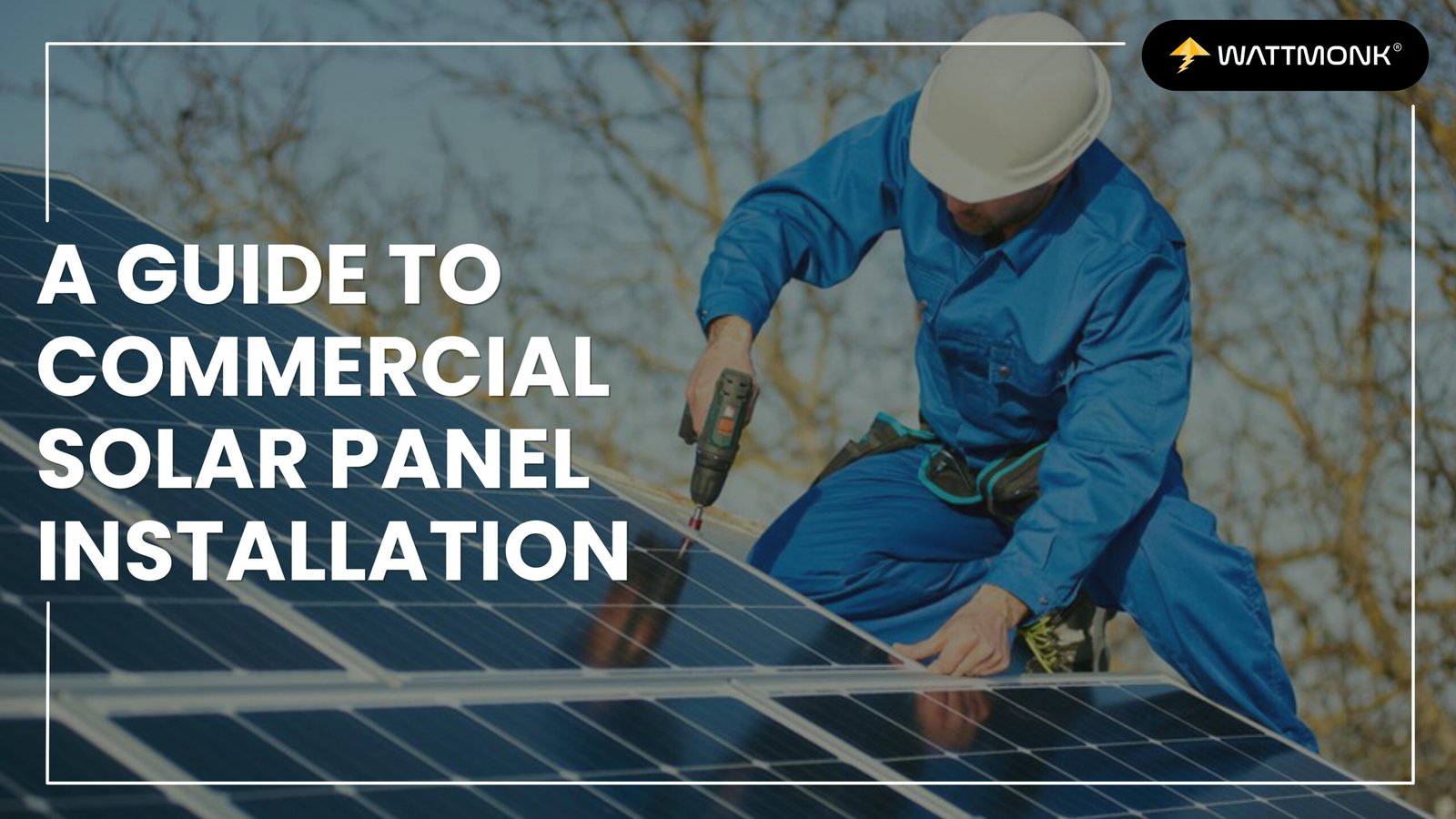
During installation, technicians mount panels, install inverters, and connect the system to the building’s electrical infrastructure. At this stage, the commercial solar panel installation physically becomes part of the facility’s power system.
Inspection and Grid Interconnection
After installation, the system undergoes inspection and testing. Once approved, the commercial solar panel installation is connected to the grid, allowing the solar panel for the business system to begin generating electricity and supporting daily operations.
Factors Businesses Should Evaluate Before Installing Solar
Before moving forward with a commercial solar panel installation, businesses need to evaluate several operational and technical factors. A well-planned commercial solar installation ensures the system aligns with the facility’s energy requirements, building structure, and long-term financial goals.
Roof Structure and Available Space
The condition and size of the roof play a critical role in determining whether commercial rooftop solar installations are feasible. Engineers assess structural capacity, orientation, shading, and available surface area before designing the commercial solar system. In some cases, facilities with limited roof space may consider ground-mounted systems instead.
Energy Consumption Patterns
Understanding electricity usage is essential when planning a solar PV system installation. Businesses with high daytime energy demand typically benefit the most from commercial solar panel installation, since solar panels generate power during daylight hours when operations are active.
Electrical Infrastructure
Existing electrical systems must be compatible with the new commercial solar system. During planning, installers review switchgear capacity, distribution panels, and connection points to ensure the commercial solar installation integrates safely with the facility’s power infrastructure.
Financial Considerations
Cost analysis is another key factor when evaluating a solar panel for business operations. Companies often review installation costs, projected energy savings, available incentives, and payback timelines before committing to a commercial solar panel installation.
Local Regulations and Incentives
Permitting rules, building codes, and available solar incentives can influence the feasibility of a commercial solar installation. Understanding these factors early helps businesses plan a compliant solar PV system installation while maximizing potential financial benefits.
Last Thought
Adopting solar power is no longer limited to sustainability initiatives. For many organizations, commercial solar panel installation has become part of long-term energy planning and operational efficiency. A well-designed commercial solar system allows businesses to generate reliable power on-site while reducing exposure to fluctuating utility prices.
From system type and infrastructure to energy demand and financial considerations, several factors shape a successful commercial solar installation. Understanding these elements helps companies approach a solar PV system installation with clear expectations and better project outcomes.